Helping Kids with Emotional Regulation Through Animals
Updated: May 14
Emotional regulation is a crucial skill for children as they navigate the complexities of growing up. Many kids struggle with understanding and managing their emotions, which can lead to behavioural issues and difficulties in social interactions. One effective way to support children in developing emotional regulation is through their interactions with animals. This blog post explores how animals can help kids learn to manage their feelings, offering practical strategies and examples for parents and educators.

Understanding Emotional Regulation
Emotional regulation refers to the ability to manage and respond to emotional experiences in a healthy way. For children, this means recognizing their feelings, understanding what triggers them, and learning how to cope with intense emotions.
Why is Emotional Regulation Important?
Social Skills: Children who can regulate their emotions are better equipped to interact positively with peers.
Academic Success: Emotional regulation contributes to improved focus and learning in school settings.
Mental Health: Developing these skills early can help prevent anxiety, depression, and other mental health issues later in life.
The Role of Animals in Emotional Development
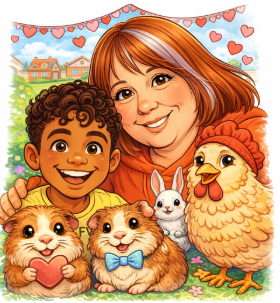
Animals, particularly pets and therapy animals, can play a significant role in helping children learn emotional regulation. Here are some ways animals contribute to this process:
Unconditional Love and Acceptance
Animals provide a non-judgmental space for children to express their emotions. The unconditional love from a pet can help kids feel safe and accepted, which encourages them to open up about their feelings.
Reducing Anxiety and Stress
Interacting with animals has been shown to reduce stress and anxiety levels in children. The simple act of petting a dog or cat can release oxytocin, a hormone that promotes bonding and reduces stress.
Teaching Empathy and Responsibility
Caring for an animal teaches children empathy and responsibility. They learn to recognize the needs of their pets, which can translate into better understanding of others' emotions.
Providing a Distraction
Animals can serve as a healthy distraction during times of emotional distress. Engaging with a pet can help redirect a child's focus away from negative feelings and towards positive interactions.
Practical Strategies for Using Animals to Support Emotional Regulation
Here are some practical strategies for parents and educators to incorporate animals into emotional regulation practices:
1. Encourage Pet Ownership
If feasible, consider allowing your child to have a pet. This can be a dog, cat, rabbit, or even a fish. The responsibility of caring for a pet can help children learn to manage their emotions and develop routines.
2. Visit Animal Shelters or Farms
Organizing visits to animal shelters or farms can provide children with opportunities to interact with various animals. This exposure can help them learn about different species and the importance of compassion towards all living beings.
3. Implement Animal-Assisted Therapy
For children struggling with severe emotional regulation issues, animal-assisted therapy can be highly beneficial. This type of therapy involves trained professionals and therapy animals working together to help children express their feelings and learn coping strategies.
4. Create a Calming Space with Animals
Designate a space in your home or classroom where children can interact with animals when they feel overwhelmed. This could include a cozy corner with a pet bed, toys, and calming music to create a soothing environment.
5. Use Storytelling with Animals
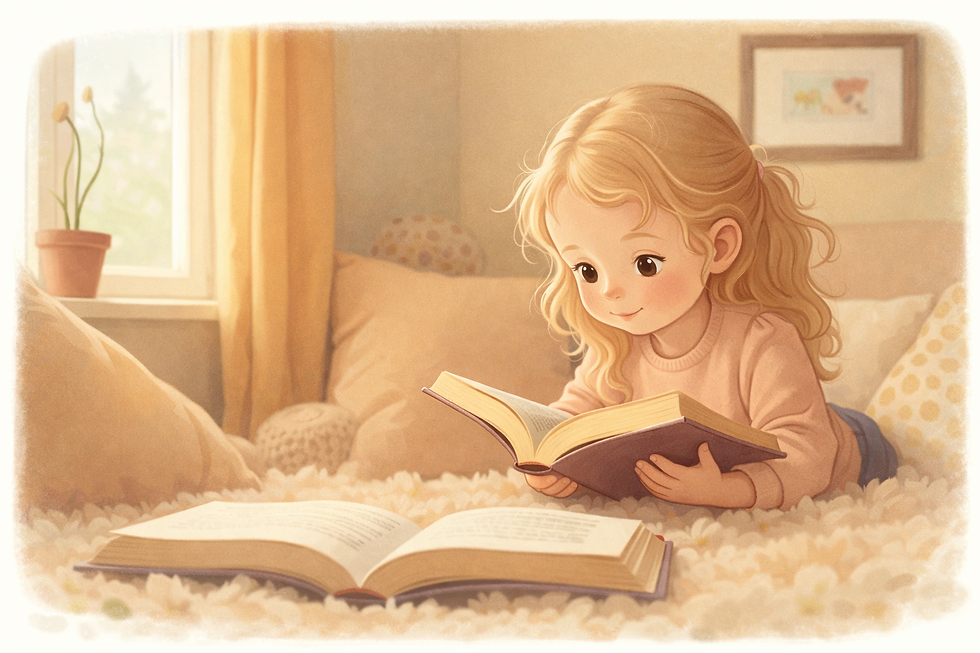
Incorporate stories about animals that deal with emotions into reading time. Discussing characters' feelings and how they cope can help children relate and understand their own emotions better.
Case Studies and Success Stories
Case Study 1: Therapy Dogs in Schools
A primary school in Kent introduced a programme where trained therapy dogs visited classrooms each week. Teachers noticed that pupils showed improved emotional regulation, especially those experiencing anxiety or behavioural challenges. The dogs’ calm presence offered comfort and a sense of safety, helping children to express their feelings more openly. Staff also reported a warmer classroom atmosphere and stronger peer relationships during the sessions.
Case Study 2: Pet Ownership and Emotional Growth
A family in Devon adopted a rescue dog, which had a remarkable impact on their child’s emotional growth. The child, who had previously struggled with anxiety, found comfort and stability in caring for the dog. Taking responsibility for feeding, walking, and nurturing their new companion helped him develop emotional regulation skills, leading to calmer social interactions and improved focus at school.
Conclusion
Animals can be powerful allies in helping children develop emotional regulation skills. By fostering connections with pets or therapy animals, children can learn to understand and manage their emotions more effectively. Whether through pet ownership, therapy programs, or simple interactions, the bond between children and animals can lead to significant emotional growth.
Encouraging your child to engage with animals can be a rewarding journey. Consider exploring local shelters, therapy programs, or simply spending more time with pets at home. The impact of these interactions can be profound, leading to healthier emotional development and stronger social skills.

Comments